National POLST Form
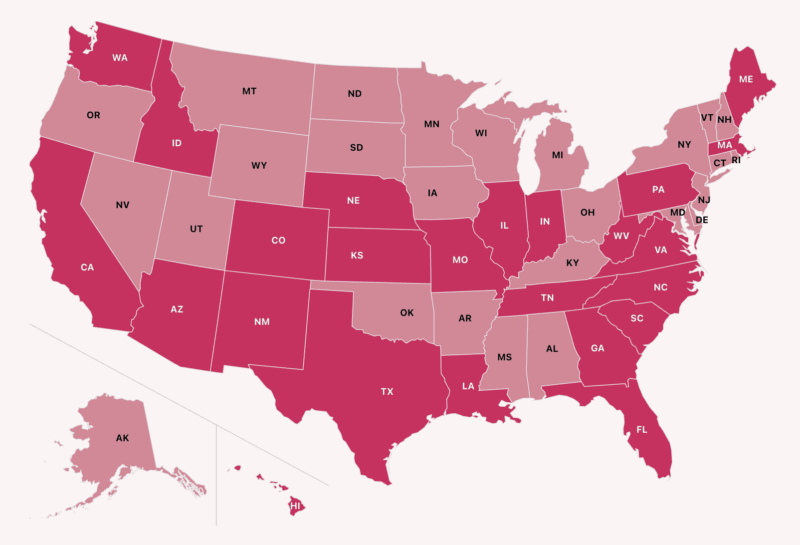
The National POLST Form represents a major step toward national consensus on a POLST form. Built on many months of interviews and listening, consensus building, feedback, compromise, and iterative revisions, the National POLST Form is a template for states to develop their state-specific form that adheres to state regulations and requirements. Responsibility for end of life care belongs to the states rather than being managed at the federal level. Many states have adopted this national form for use in their state.

Why is a national form important?
POLST programs have developed separately in each state, resulting in inconsistencies among different state forms. (Read more in this article from the National Hospice and Palliative Care Organization (NHPCO)’s Fall 2021 newsletter.)
The National POLST Form is making it easier to:
Honor patient treatment wishes throughout the United States.
Conduct research and quality assurance activities to improve the POLST form and process.
Educate about POLST so it is properly used everywhere.
Make available “best practices” in the POLST process.
National POLST Form in EPIC
The National POLST Collaborative has approved integration of the National POLST Form into the EPIC foundation platform. While each state has its own laws, regulations, and terminology governing POLST, the form can be adapted with the appropriate state designation. NPC will continue working with EPIC to ensure best practices and guidance support consistent, valid use of POLST as actionable, portable medical orders.
How to Order POLST Forms in Your State
Only state-developed and approved forms are valid, and using the generic National POLST Form without state specific requirements may jeopardize patient care if implemented incorrectly. Visit your state program website or reach out to your program contact to order POLST forms appropriate for patients in your state.
Resources for Professionals

Contact Us
We invite you into the conversation about improved care for the seriously ill and frail.